WHAT IS
THEATER?
Before we can understand what Virtual Theater is, we must first return to the essence of theater itself. What makes it different from all other art forms?
The Ancient Pact
Theater is humanity's oldest form of collective storytelling. Long before the written word, before paintings adorned cave walls, humans gathered around fires to watch their kin embody gods, heroes, and demons. This was not mere entertainment—it was ritual, transformation, and communion.
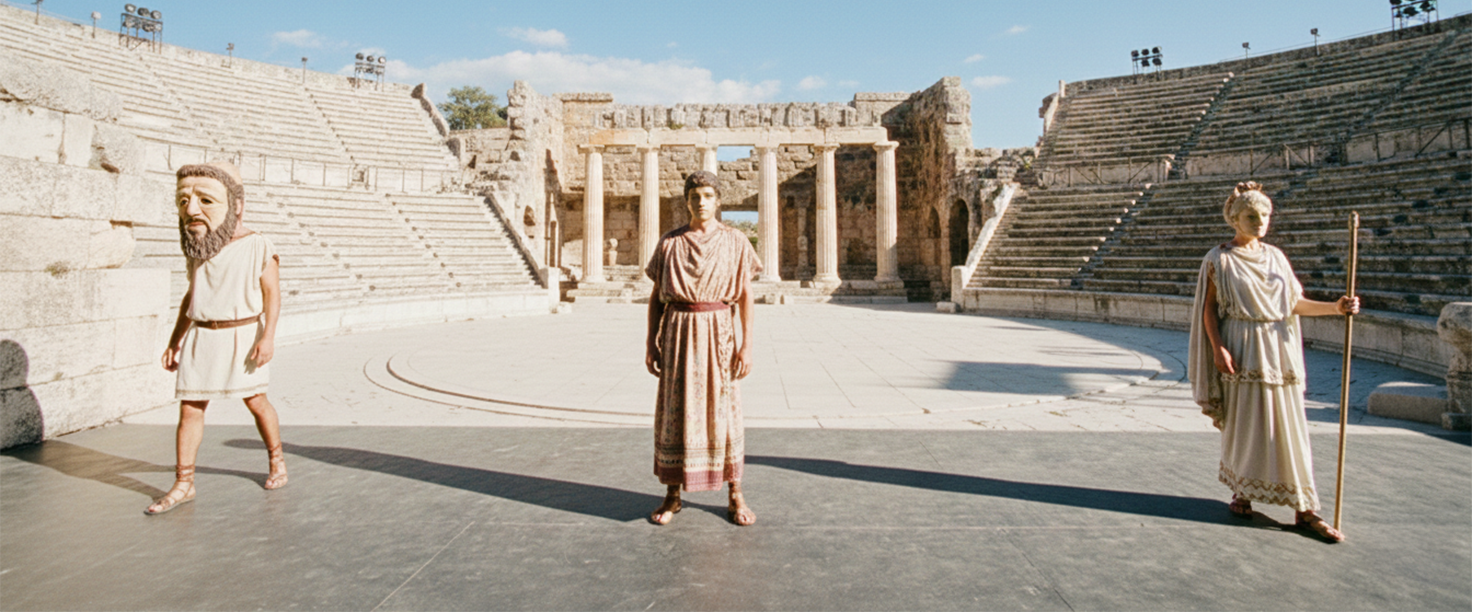
The ancient Greeks formalized this into the amphitheater: a space designed specifically for the act of witnessing. The word "theater" itself comes from the Greek "theatron"—a place for viewing. But viewing what? Not just actors on a stage, but the transformation of human beings into something other than themselves.
What made theater unique was its ephemerality. Every performance existed only in that moment. The same play performed twice was never truly the same play. The actor's voice might crack. A line might be forgotten. The audience might gasp or laugh at unexpected moments. This imperfection was not a bug—it was the essential feature.

The Theater of Epidaurus, Greece. Built in the 4th century BC, it could seat 14,000 spectators who gathered to witness performances that lasted entire days.
The Five Pillars of Theater
LIVENESS
Performance happens in real-time, unrepeatable and unique to each moment
PRESENCE
Performers and audience share the same space-time continuum
RISK
Something can always go wrong. The possibility of failure is ever-present
SPACE
Architecture shapes experience. The stage is a world unto itself
COMMUNION
Collective witnessing transforms individual experience into shared ritual
The Great Divergence: Theater vs. Cinema
When cinema emerged in the late 19th century, many predicted the death of theater. Why would anyone attend a live performance when they could watch perfect, repeatable images on a screen? The moving picture seemed like theater's evolutionary successor.
But something strange happened. Theater didn't die. It transformed. It began to emphasize precisely those qualities that cinema could never capture: the electricity of live presence, the danger of real-time failure, the irreplaceable magic of shared breath in a darkened room.
Cinema became the art of the preserved moment—perfect, repeatable, controllable. Theater remained the art of the living moment—imperfect, unique, alive with possibility. Two siblings, born from the same parent, walking different paths.
CINEMA
- • Recorded and preserved
- • Identical on every viewing
- • Director controls perspective
- • Audience is passive receiver
- • Time is edited and compressed
- • Perfect and polished
THEATER
- • Live and ephemeral
- • Different every performance
- • Audience chooses focus
- • Audience is active participant
- • Time flows naturally
- • Imperfect and alive
ILLUSION vs. REALITY
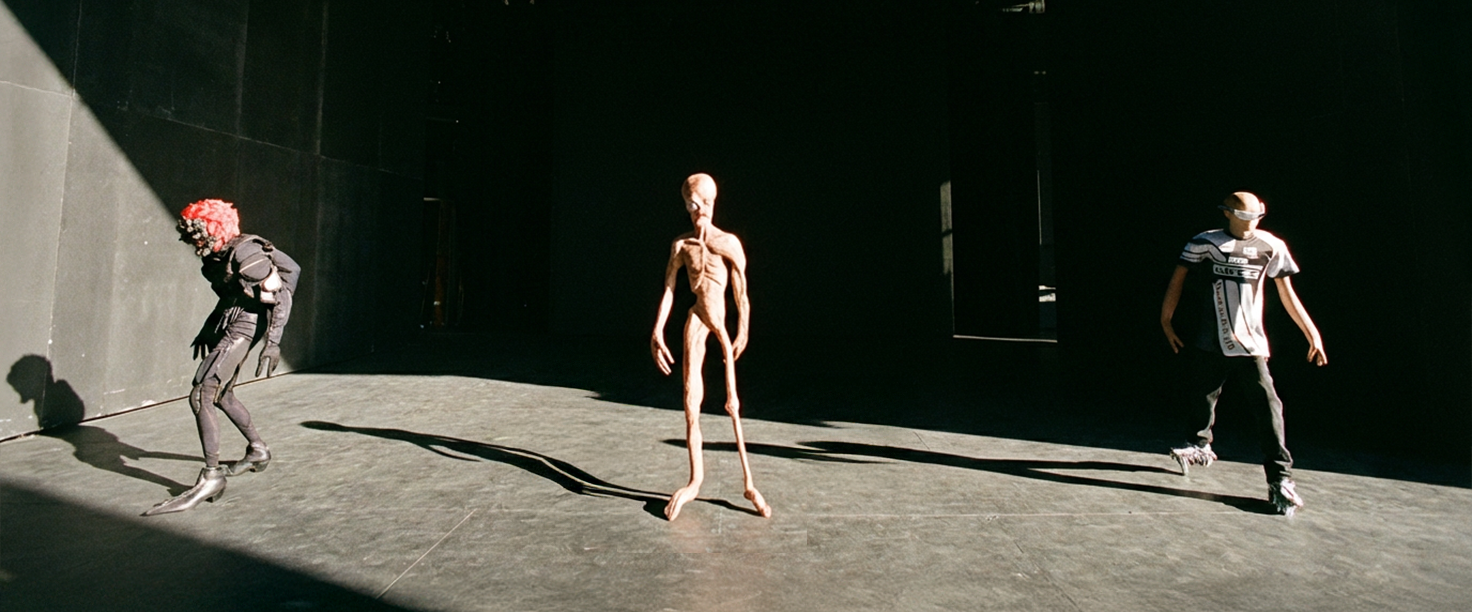
VIRTUAL
THEATER
A new medium emerges. Not physical cinema, but virtual cinema. Not recorded performance, but living files performing in real-time. This is the invention.
THE DEFINITION
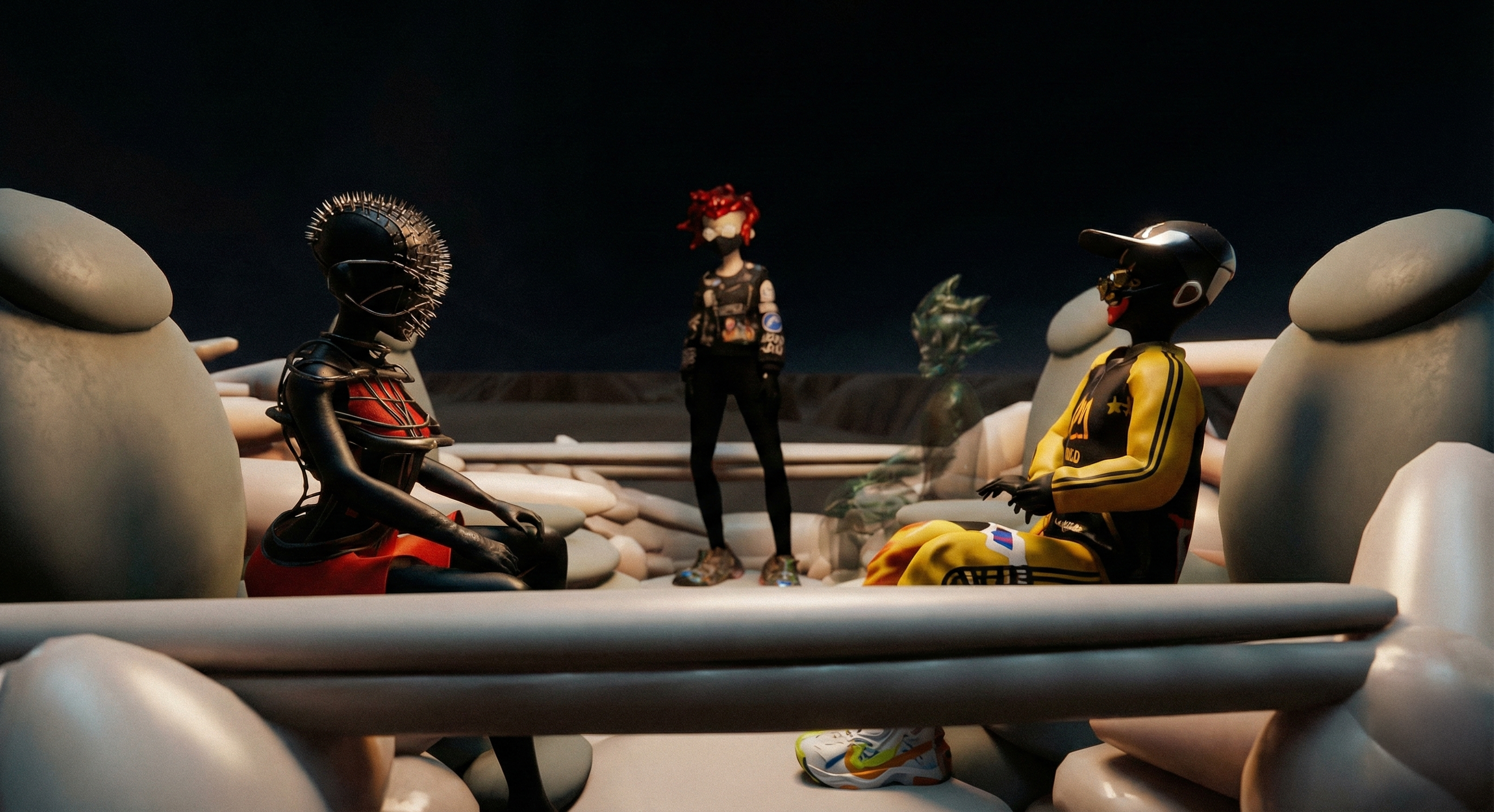
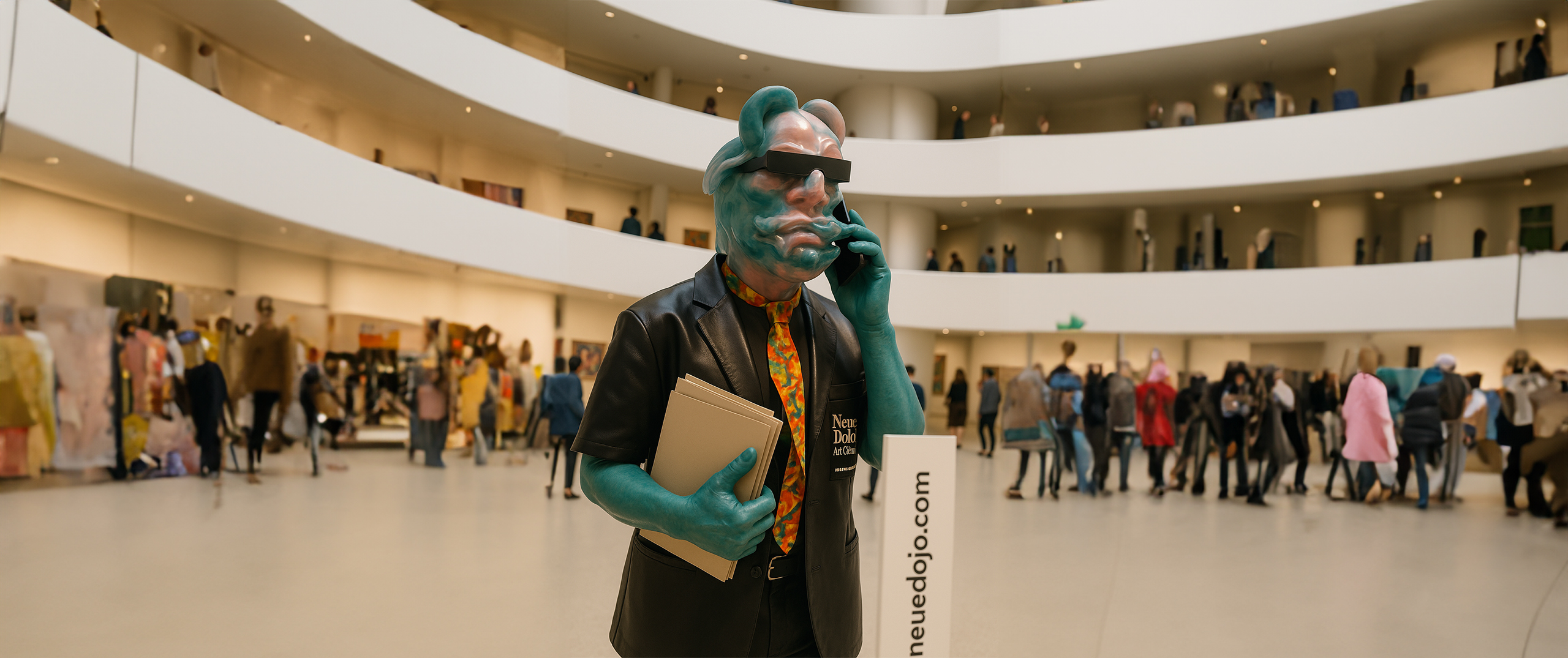
Virtual Theater is a form of digital performance art where scripted narratives unfold in real-time within metaverse environments, accessible through web browsers without downloads or installations. Unlike traditional video, the performance is not pre-recorded—it happens live each time, with digital assets (3D models, sounds, architectural elements) acting as performers following choreographed cues.
The Crucial Distinction
"Think of animation," one might say, "but not rendered—happening NOW, right before your eyes." This is the key insight. In traditional animation or CGI, every frame is pre-calculated, stored, and played back. The performance is dead before you ever see it.
In Virtual Theater, the performance is alive. The digital actors—3D models, smart objects, architectural elements—execute their choreographed movements in real-time within the metaverse engine. What you witness is not a recording of something that happened, but something happening in this very moment.
This distinction matters because it preserves the essential quality of theater: the possibility of failure. If a server stutters, if a file loads slowly, if the physics engine hiccups—these are the digital equivalents of an actor forgetting their line. They are not bugs to be eliminated but features that maintain the living quality of the experience.
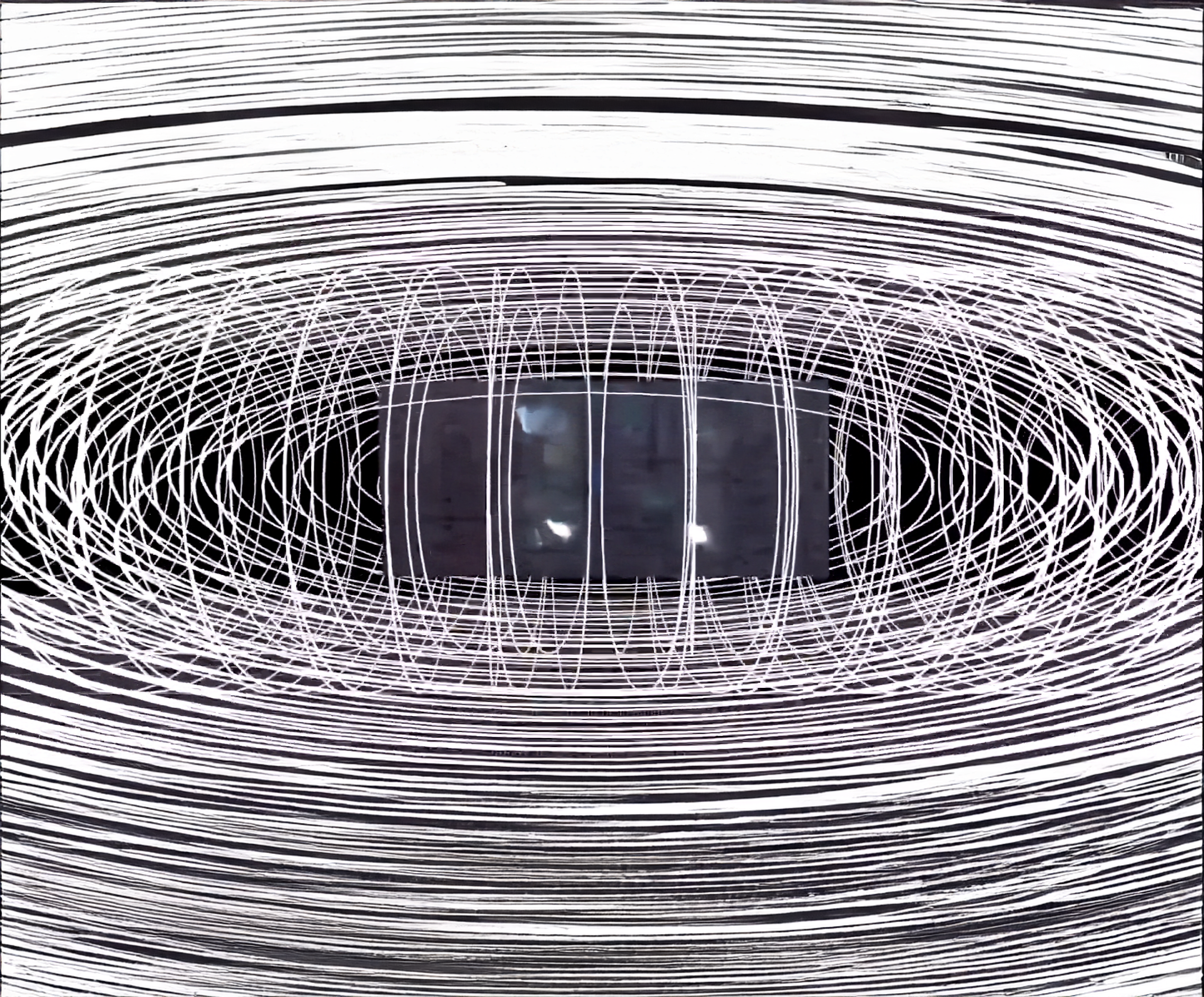
Why Now? The Technological Convergence
Virtual Theater became possible only through the convergence of several technological developments that reached maturity in the early 2020s:
WebGL & WebXR
Browser-native 3D rendering became powerful enough to display complex scenes without plugins or downloads.
Metaverse Platforms
Platforms like Hyperfy provided infrastructure for persistent, interactive 3D worlds accessible through web browsers.
Smart Objects
The ability to program 3D objects with timed behaviors enabled choreographed performances without code.
NFT Ownership
Blockchain technology allowed digital experiences to be owned, traded, and preserved as unique assets.
Three Questions Virtual Theater Asks
Can Files Feel?
If digital entities perform emotions convincingly enough, does it matter whether they "truly" feel? What is the difference between simulated emotion and real emotion when both produce the same effect?
Who Is the Audience?
When viewers enter as avatars, the line between performer and audience blurs. You are simultaneously watching and being watched. Are you audience, actor, or both?
What Is Reality?
In a space where time can be reversed, where you can exist in multiple locations, where the laws of physics are merely suggestions—what does "real" even mean?
Does Virtual Theater Have Precedents?
Throughout history, artists have sought ways to merge technology with performance. From Wagner's Gesamtkunstwerk (total work of art) to Bauhaus experiments with light and movement, the dream of technologically-enhanced theater is old.
In the digital age, we've seen interactive theater (Sleep No More), live-streamed performances, and VR experiences. But these are adaptations of existing forms—theater with technology added on top.
Virtual Theater is different. It is native to its medium. It could not exist without the metaverse, just as cinema could not exist without the camera. The technology is not an enhancement but the very substance of the art form.
Perhaps the closest ancestor is the video game, particularly narrative-driven games where player presence affects the experience. But games require interaction and choice. Virtual Theater requires only witnessing—though witnessing itself becomes a form of participation.
EVOLUTION OF PERFORMANCE MEDIA
HOW IT
WORKS
The technical architecture behind living digital performances. From smart objects to spatial audio, every element is choreographed to create seamless theatrical experiences in your browser.
Smart Objects: Digital Actors
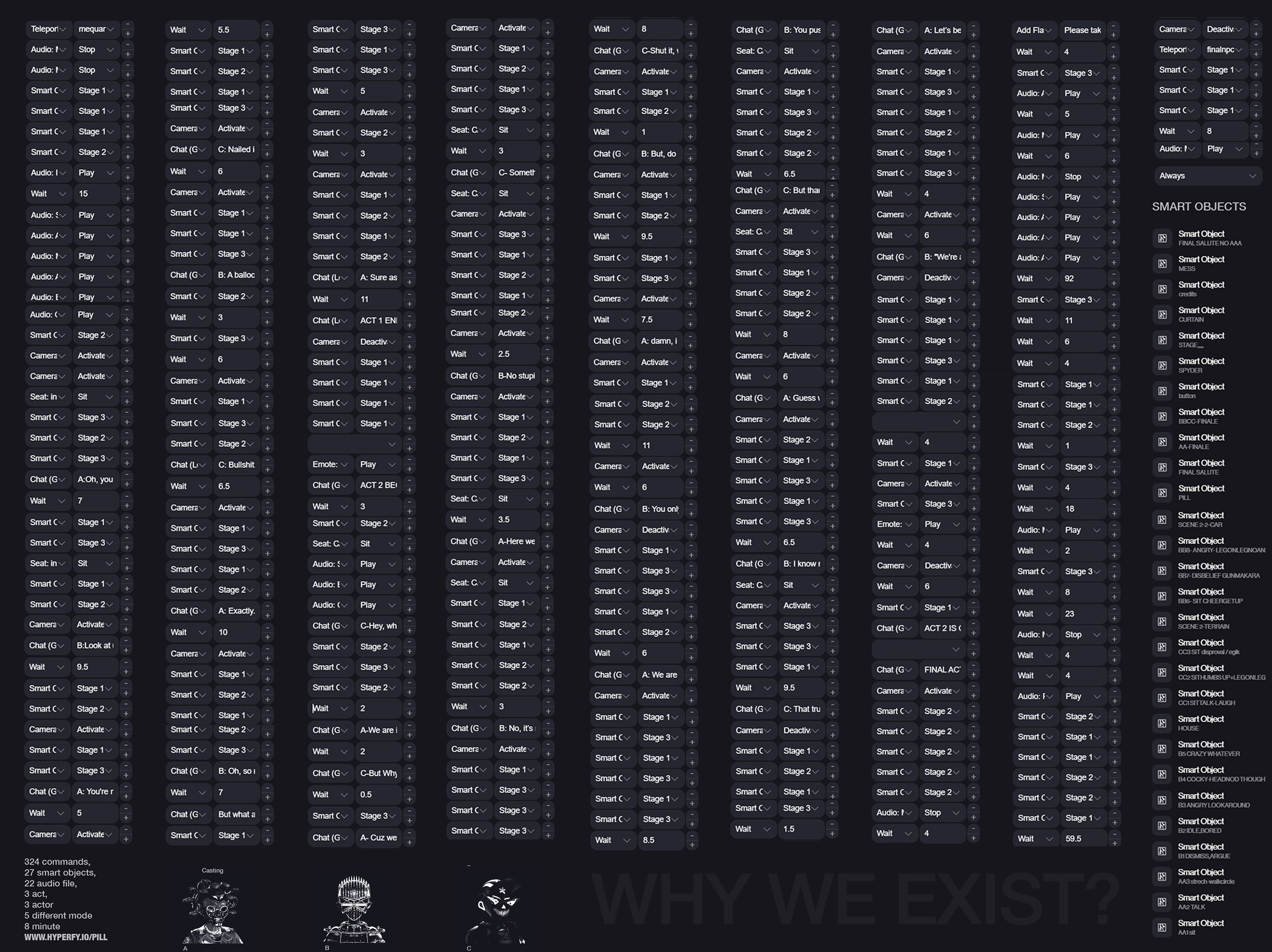
At the heart of Virtual Theater lies the concept of "smart objects"—3D assets programmed with timed behaviors that execute automatically within the metaverse engine. These are not pre-rendered animations but live instructions that the system performs in real-time.
Each smart object carries its own script: when to appear, how to move, when to trigger sounds, how to interact with other objects. An average of five to twenty-five smart objects per character, with precise timing for their activation—all achieved without a single line of traditional code.
Think of it as choreography for files. Just as a dancer follows a score of movements, these digital entities follow their programmed sequences. But unlike a recorded dance, the execution happens fresh each time, subject to the subtle variations of network latency, device performance, and the unpredictable nature of real-time systems.
TECHNICAL SPECS
Sound: The Foundation

"I start with sound before anything else—a technique stolen from Tarantino like a digital pickpocket." Sound is not an afterthought in Virtual Theater; it is the architectural foundation upon which everything else is built.
Three-hour ambient sets created by collaborators become the temporal skeleton of each piece. The script emerges from the sound: when this note shifts, this emotion must change. When this beat drops, reality must twist. If Virtual Theater were architecture, sound would be the foundation—but what kind of madman builds houses on foundations of sound?
The result is an experience where audio and visual are inseparable, where the soundscape doesn't accompany the performance but generates it. Like Brian Eno having a fever dream in the Matrix.
BOMBARDMENT
Rapid visual and audio stimuli capture attention, reflecting modern media consumption patterns
SILENCE
Strategic pauses create contrast, allowing themes to resonate and emotions to settle
LOOP
The cycle repeats, creating a rhythm that holds viewers captive in the narrative flow
TECHNICAL FOUNDATION
Platform Architecture
Virtual Theater's technical foundation prioritizes two approaches: custom WebXR applications built from the ground up, and the open-source Hyperfy v2 platform. The first three theaters were realized on Hyperfy v1, while future productions will leverage either custom-coded WebXR experiences or the evolved Hyperfy v2 ecosystem at hyperfy.xyz.
Through code, the possibilities become limitless—every gesture, every moment, every interaction can be precisely choreographed or spontaneously generated. This is not about choosing a platform; it's about choosing creative freedom.
CUSTOM WebXR DEVELOPMENT
Primary approach for maximum creative control
- ✓ Complete creative freedom - every pixel, every interaction
- ✓ Native WebXR - browser and VR headset compatible
- ✓ Unlimited possibilities through custom code
- ✓ No platform limitations or dependencies
- ✓ Optimized performance for specific artistic vision
HYPERFY V2
Open-source platform alternative (hyperfy.xyz)
- ✓ Open-source and community-driven development
- ✓ WebXR native - works in browser and VR headsets
- ✓ Smart object system for choreographed behaviors
- ✓ Real-time multiplayer presence
- ✓ First three theaters built on Hyperfy v1
THE TECHNICAL MAGIC (KEPT SIMPLE)
OTHER PATHS
Our approach using smart objects and metaverse platforms is just one way to create Virtual Theater. As technology evolves, new possibilities emerge. Here are two alternative methodologies that could shape the future of this medium.
AI-DRIVEN
THEATER
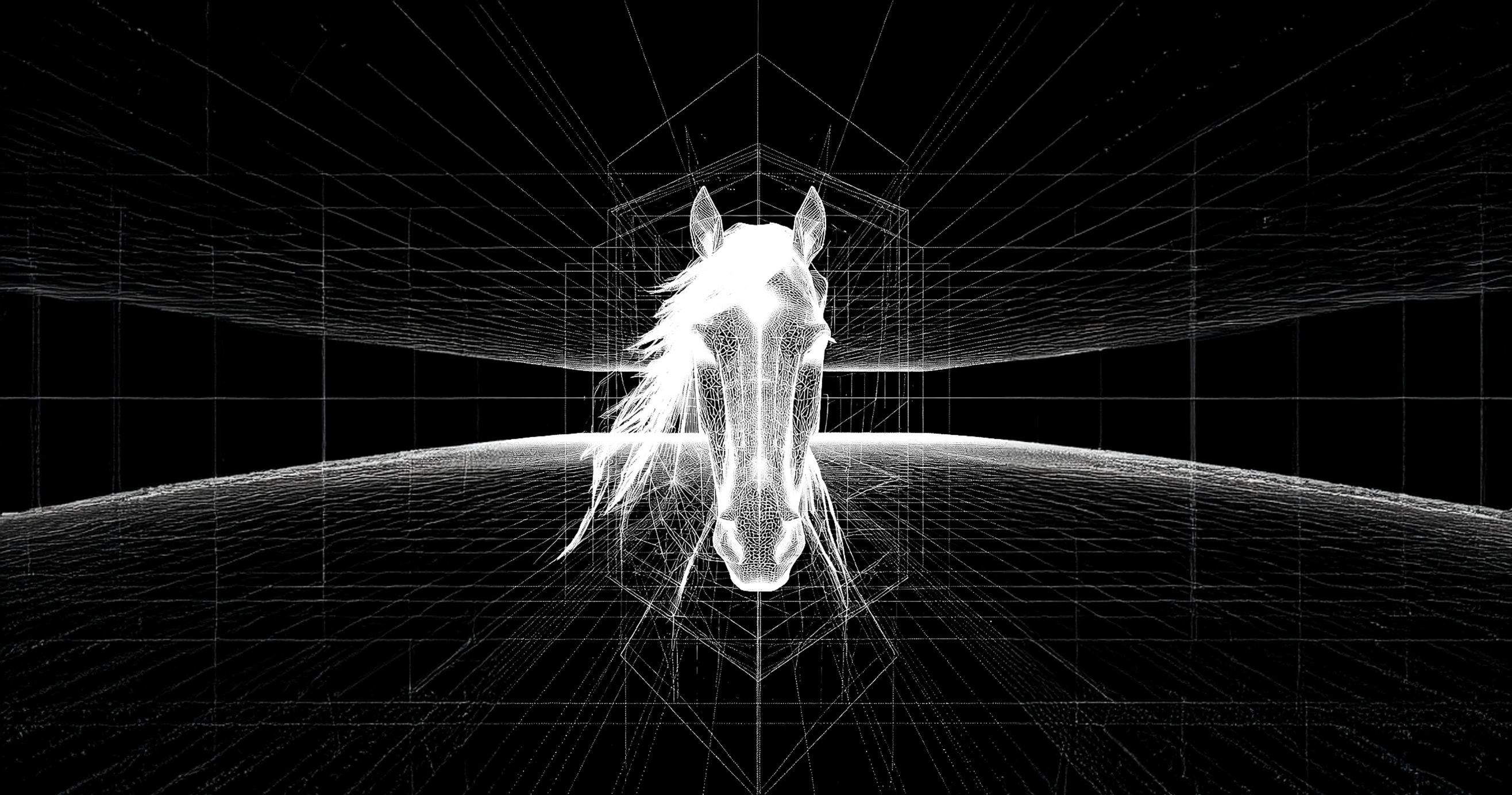
Artificial intelligence opens entirely new possibilities for Virtual Theater—where characters don't just follow scripts, but think, respond, and improvise.
In this approach, a creative framework is established first: the narrative structure, the world rules, the emotional arcs. Then AI takes over the execution. Scene design, costume creation, and character modeling can all be generated through AI systems trained on theatrical aesthetics.
The revolutionary part? Artificial Actors—AI-driven characters that interact with each other and with viewers in real-time. Unlike our pre-choreographed smart objects, these entities could respond dynamically to audience presence, improvise dialogue within narrative boundaries, and create truly unique performances every time.
Imagine entering a Virtual Theater where the characters recognize you, where the story branches based on your avatar's position, where two AI actors debate philosophy while adapting to the number of spectators in the room. Each performance becomes unrepeatable—not because of technical variation, but because of genuine emergent behavior.
KEY ELEMENTS
- • AI-generated scene & costume design
- • LLM-powered character dialogue
- • Real-time audience interaction
- • Emergent narrative possibilities
- • Procedural world generation
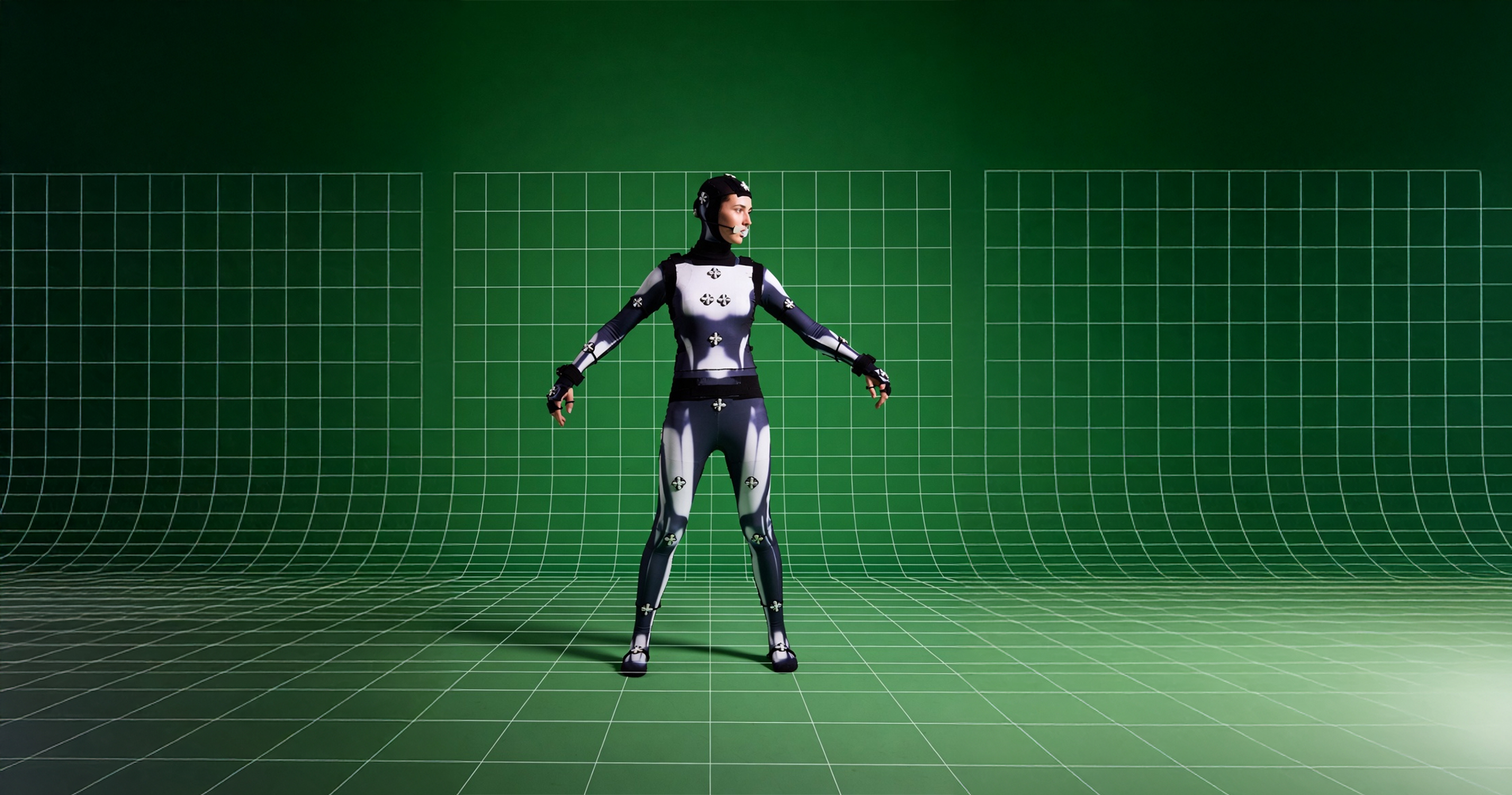
PRODUCTION PIPELINE
- • Live performance capture (body + face)
- • 3D scanning of sets & costumes
- • Character rigging & optimization
- • WebXR compilation
- • 360° viewing experience
CAPTURED
PERFORMANCE
What if we could take a real theatrical performance—with human actors, physical sets, and live emotion—and translate it perfectly into the virtual realm?
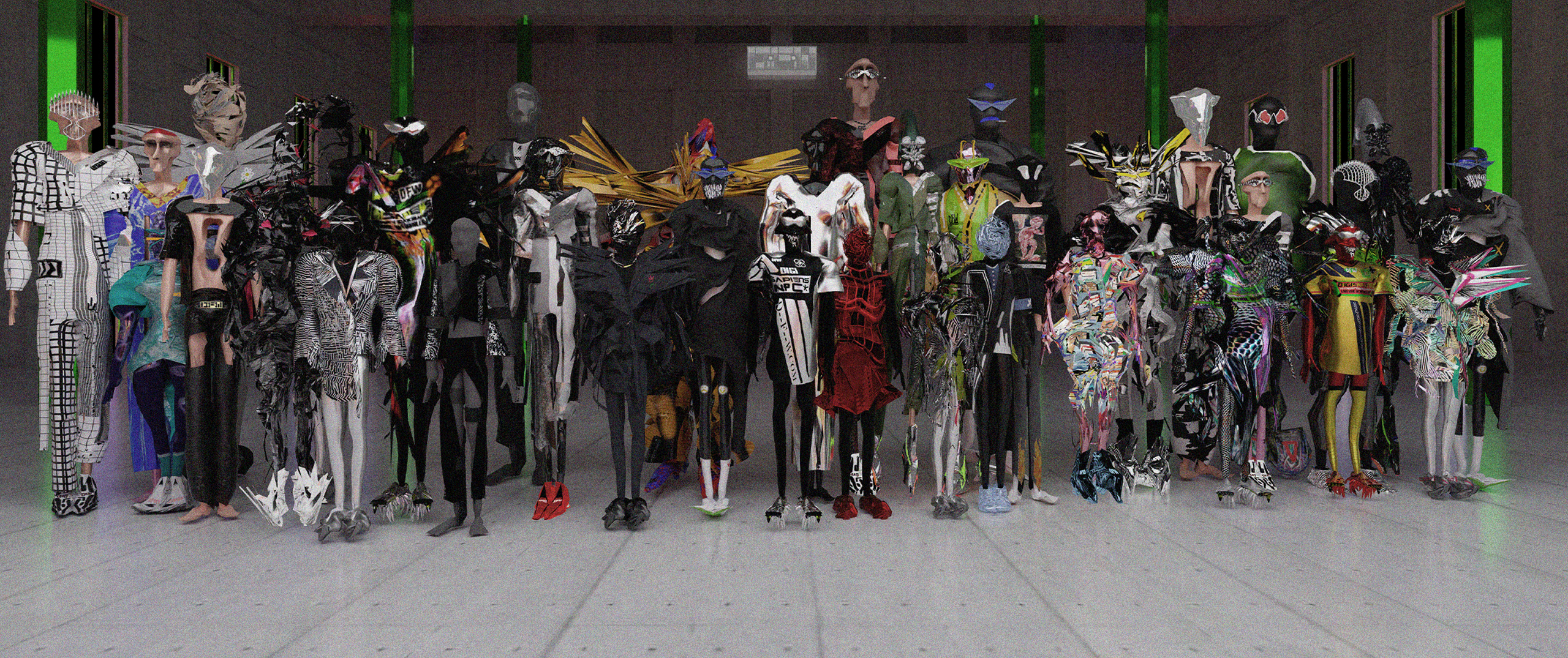
This method begins with an actual performance. Real actors perform the piece while wearing motion capture suits. Every gesture, every subtle facial expression, every breath is recorded with millimeter precision. The performance is captured, not simulated.
Simultaneously, the physical space is 3D scanned—the stage, the props, the costumes. These assets are then optimized for web delivery: polygon counts reduced, textures compressed, but fidelity preserved. The actor data is rigged to digital avatars that mirror their human counterparts.
The final experience is compiled for WebXR platforms, allowing viewers to stand inside a 360° recreation of the performance. You're not watching through a screen—you're standing on stage with the actors, free to move, to look anywhere, to witness the performance from angles no physical audience member could ever access.
This approach preserves the irreplaceable quality of human performance while gaining the accessibility and spatial freedom of virtual space. The best of both worlds.
Three Paths, One Destination
Smart Objects
Pre-choreographed 3D assets on blockchain-owned worlds. No code, browser-native, NFT ownership.
Artificial Actors
AI-generated worlds with emergent character behavior. Every performance unique.
Human Performance
Real actors translated to digital space. Human authenticity meets virtual accessibility.
THREE
MODES
Virtual Theater offers multiple ways to experience the same performance. Each mode reveals different aspects of the work, from passive viewing to active participation.
CINEMATIC MODE
Watch from designated camera angles, like a film director's curated perspective. Hitchcock would have wept with joy—or perhaps horror.
- → 32 choreographed camera positions per production
- → Automated camera transitions following the narrative
- → Optimal for first-time viewers seeking guided experience
- → Desktop browser experience, no VR required


IMMERSIVE MODE
Wander like a ghost through the performance. Free navigation in VR or desktop, exploring the virtual set while the play unfolds around you.
- → Complete freedom of movement within the space
- → VR headset compatible (Meta Quest, PC VR)
- → Discover hidden details and perspectives
- → Your avatar becomes present in the scene
ACTOR MODE
Imagine walking into Hamlet's castle and becoming the prince yourself. The audacity! The sheer madness of it!
- → Your avatar takes a role within the performance
- → Experience the narrative from inside the story
- → Blur the line between audience and performer
- → Requires NFT avatar for full integration (future feature)
The Meta-Theatrical Layer
Audience members become active participants rather than passive viewers. Their avatars are physically present within the virtual space. This direct involvement creates a meta-theatrical layer where viewers simultaneously observe and participate in the unfolding narrative. The experience adapts to each viewer's presence, acknowledging them as both audience and performer.
TIME MODES
Beyond spatial modes, Virtual Theater manipulates time itself. The same narrative can be experienced in multiple temporal configurations.
HORIZONTAL
Standard linear progression. Events unfold in chronological order, cause preceding effect. The traditional theatrical experience translated to virtual space.
REVERSE
Like Memento in the metaverse. Spaces and words distort, creating new meanings. Experience the ending first, then trace backwards to discover how it began.
CIRCULAR
Time removed entirely. Like a snake eating its own tail. No beginning, no end—only eternal present. What remains when sequence dissolves?
THE PROCESS
When you work with us on an Experience, you're not just getting a space—you're producing a digital performance.
Vision Development
- • Explore your narrative
- • Define key moments
- • Design audience journey
- • Create performance structure
Spatial Choreography
- • Architecture that performs
- • Timed sequences
- • Interactive elements
- • Movement design
Technical Production
- • Platform optimization
- • Performance testing
- • User experience refinement
- • Access management
Launch & Beyond
- • Event management
- • Technical support
- • Analytics tracking
- • Future development
What This Means For You
FOR BRANDS
Imagine product launches where your story unfolds through architecture and movement. Where your audience doesn't just see your product—they experience its world. Your brand doesn't just occupy digital space; it performs its values, its vision, its future.
FOR INSTITUTIONS
Think beyond virtual museums. Imagine exhibitions that perform their narratives, where educational content isn't just displayed but enacted through space and time. Where architecture doesn't just house culture—it expresses it.
FOR ARTISTS
Your work isn't just displayed; it's performed by the digital environment itself. Your vision doesn't just occupy space; it choreographs reality. The platform becomes your medium, the architecture your brush.
THE TRILOGY
Three works. Three explorations of digital existence. Each carrying the same existential DNA, yet each a distinct universe. Together they form the foundation of Virtual Theater as a medium.
WHY WE EXIST
The genesis. The first cry into the digital void. A pioneering venture into the realm of virtual performance art that asked the most fundamental question of all: Why do we exist?
The Birth of a Medium
"Why We Exist" emerged during a competition in November 2023—raw, unpolished, like a newborn screaming its first questions into the void. It couldn't be changed after submission. Its very rawness spoke truth. This wasn't just a project; it was the invention of a new form.
The concept was born from a desire to explore the creative potential of digital assets. The limitless possibilities that 3D assets offer, thanks to their intricate design and three-dimensional nature, inspired the creation of a space where these elements could be brought to life in a virtual theater setting.
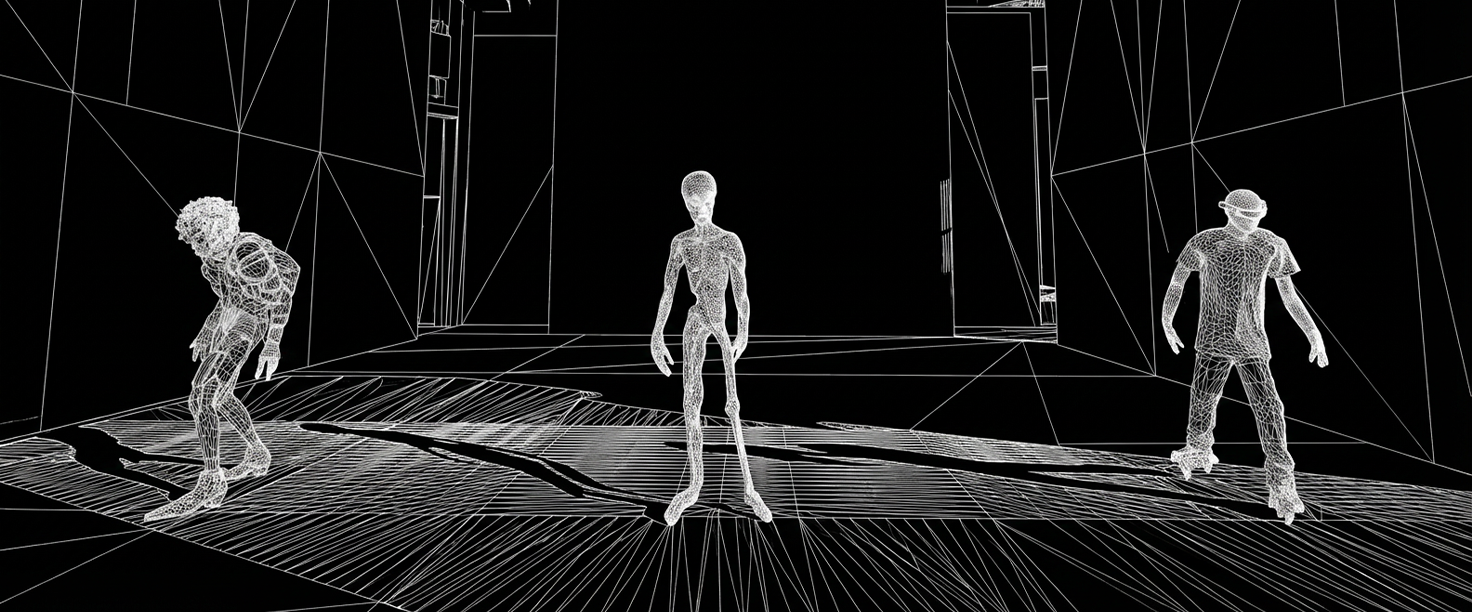
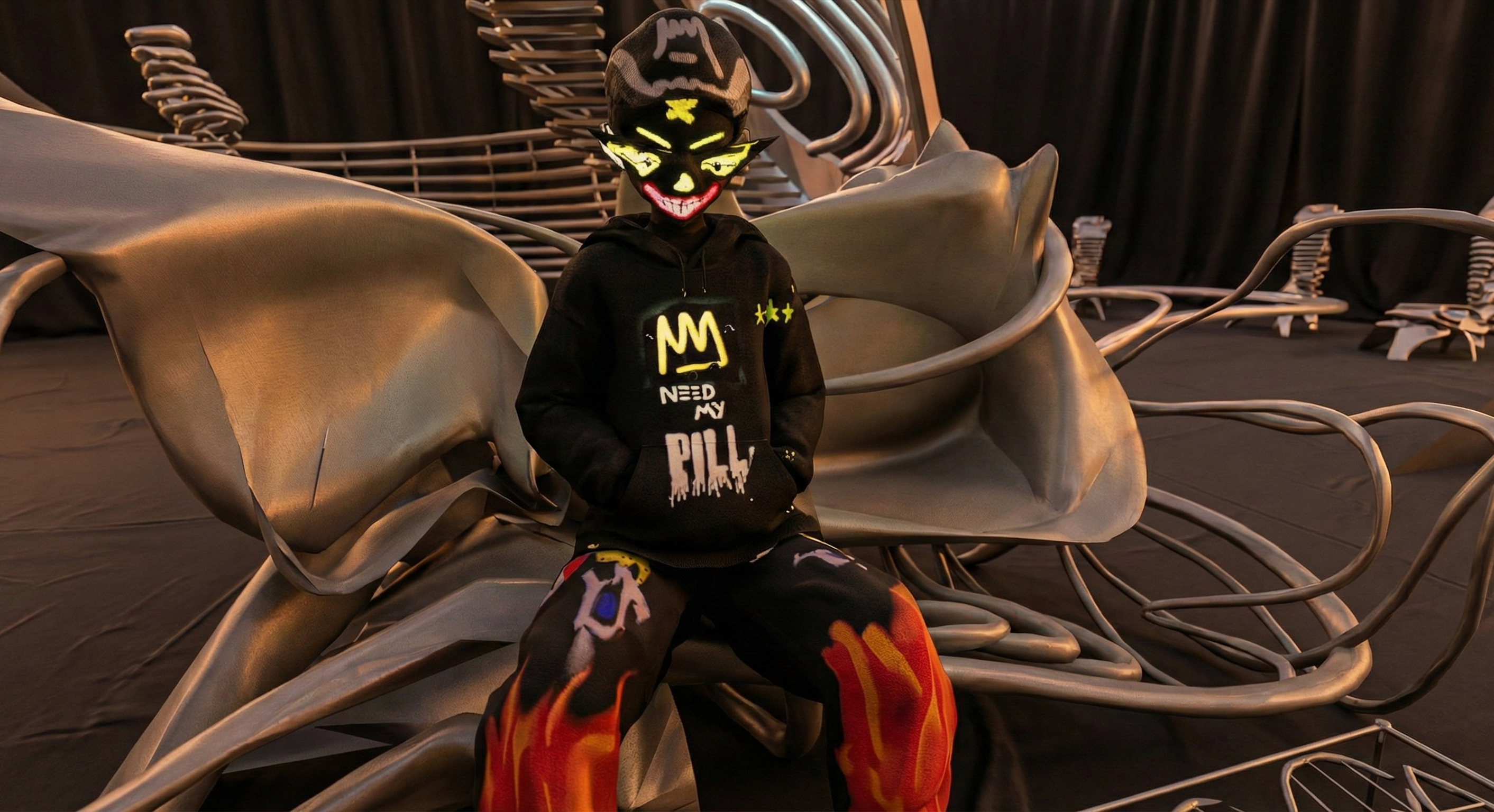
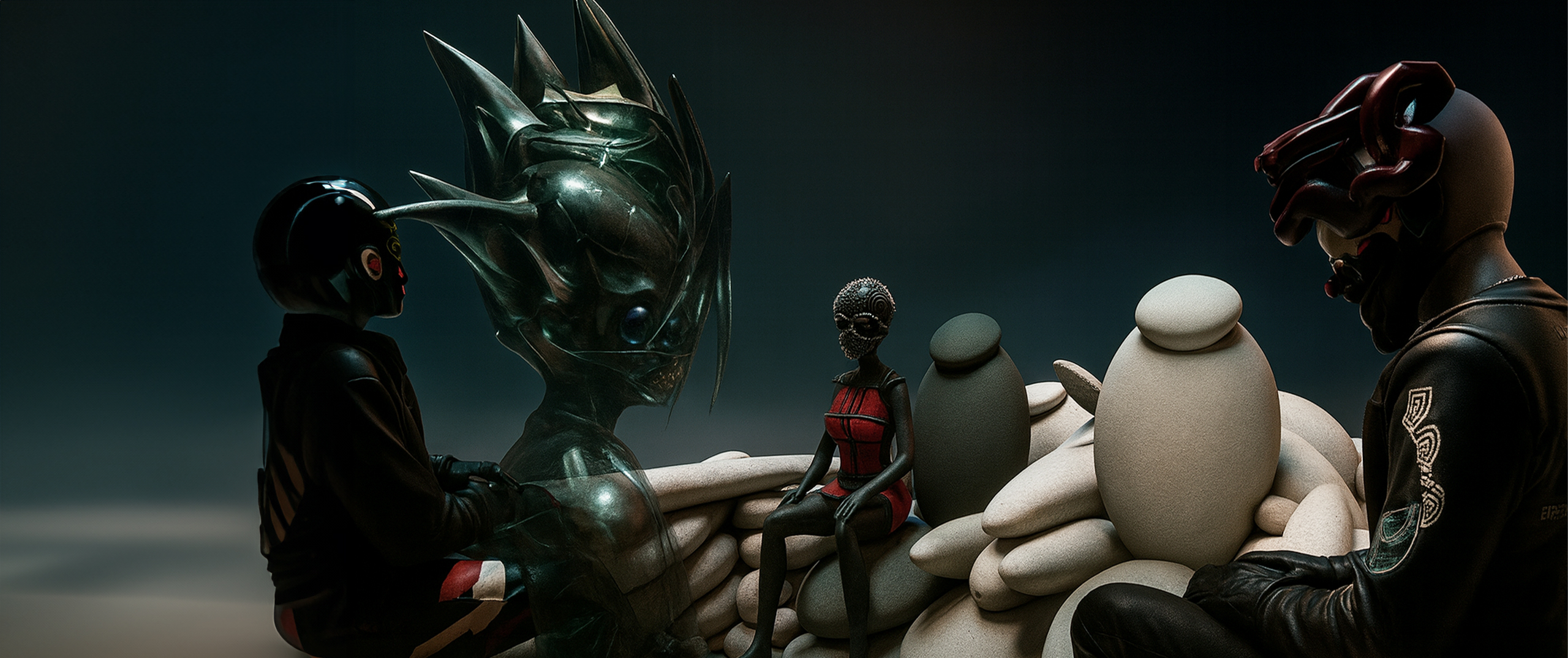
This endeavor celebrates open-ended creativity, blending elements of fashion, design, architecture, sound, light, and the metaverse into a cohesive and immersive experience. Avatar bodies serve as a canvas, creating a silent yet profound dialogue about our digital and 3D NFT heritage.
The Murakami Pill Theory
The Murakami Pill serves as the theoretical foundation for this project, symbolizing the journey of digital "actors" striving to reconnect with their creator. This metaphor explores themes of existence, belief, and identity within the digital realm, inviting contemplation on the essence of digital entities and their parallels to human consciousness.
In "Why We Exist," viewers become an integral part of the unfolding narrative. By choosing from one of three Clone remixes upon respawning, participants directly influence the perspective and outcome of the story. The two modes of engagement—Cinematic and Immersive—offer different vantage points, with the Immersive mode allowing for a free-roaming exploration of the virtual set.
TECHNICAL NOTES
- • First Virtual Theater production
- • ~5 smart objects per character
- • Zero lines of code
- • Neon DAO asset collaboration
- • Cinematic + Immersive modes
EXISTENCE
What does it mean to exist as a digital entity? If we are files, are we alive? The play doesn't answer—it performs the question.
BELIEF
Digital actors seeking their creator mirror humanity's search for meaning. The metaverse becomes a stage for existential inquiry.
IDENTITY
Avatar bodies as canvas. Clone remixes as choices. Identity in the digital realm is fluid, multiple, and performed.
BALLOON
A reincarnation. Like Pierre Menard rewriting Don Quixote—the same mathematical foundations, the same spaces, nearly the same script—and yet something entirely different. A digital thought experiment wrapped in virtual theater.
The Question of Digital Identity
Balloon No. 2 is a digital thought experiment wrapped in virtual theater. It questions the nature of self when identity is reduced to code and avatars. Are we files? Are we gods? Or merely remixes of old data seeking meaning in algorithmic noise?
The performance critiques the performative culture of the internet while embracing it, drawing a line between presence and simulation. It doesn't seek resolution—only to perform existence as theater, forever suspended between awareness and automation. It's absurd, melancholic, and deeply familiar.
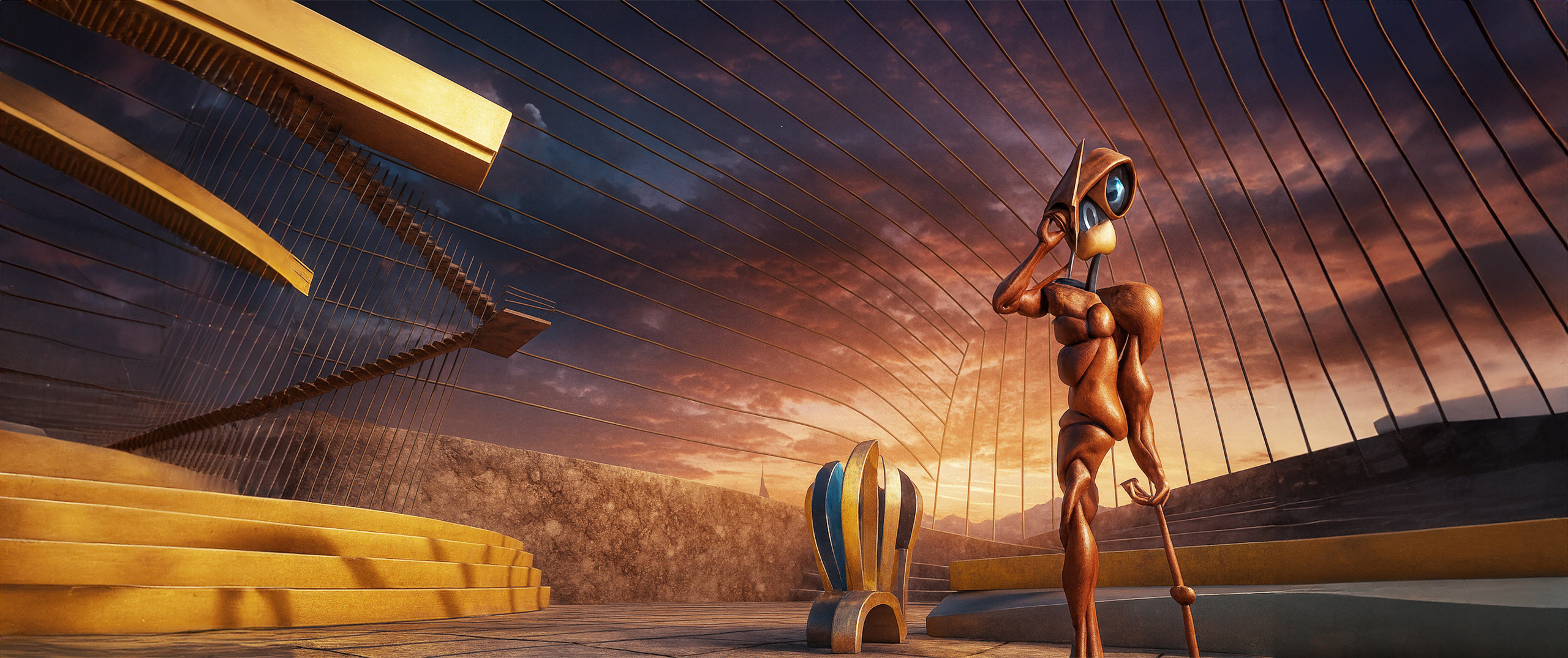
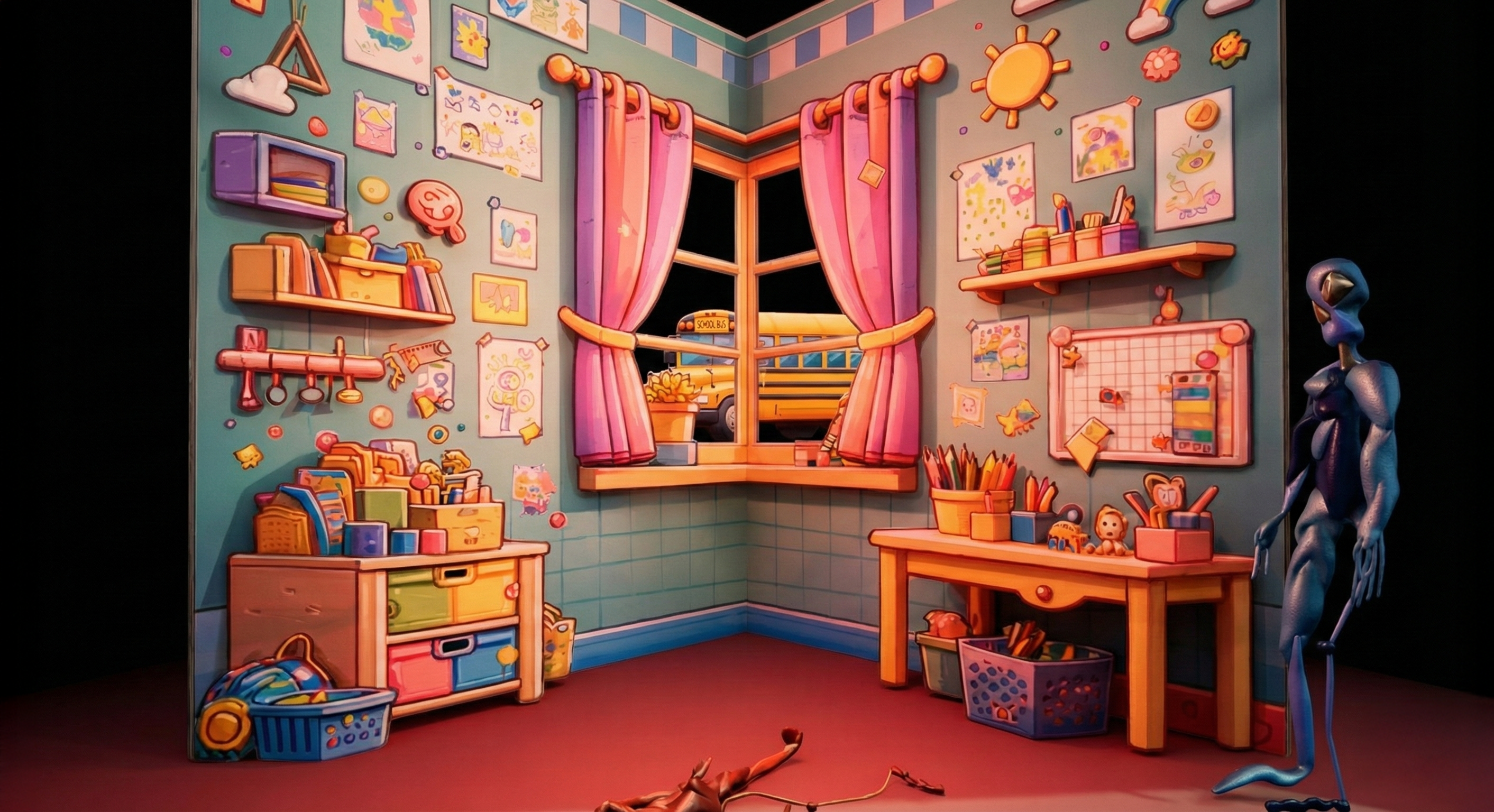
The piece unfolds across three surreal acts: a pink room, a desert, and a virtual stage. Digital beings engage in layered, fast-paced dialogue questioning their purpose, place, and existence. The environment shifts as the conversation deepens—from sarcasm to existential crisis—blurring the line between reality and simulation.
Technical Excellence
Balloon No. 2 is a highly optimized immersive experience under 15 MB, built in WebXR on the Hyperfy platform. It features over 50 timed smart objects that load and unload dynamically across three acts. The performance runs smoothly on both PC and VR headsets, offering 32 fixed camera angles in desktop mode and free navigation in VR.
It requires no login or installation, only a browser link. Compatible with Meta Quest and PC VR, it uses minimal data while enabling rich interaction, avatar integration, and layered stage design. A new form of digital performance born for the screen.
TECHNICAL SPECS
- • Under 15 MB total size
- • 50+ timed smart objects
- • 32 choreographed camera angles
- • 3 seamless acts
- • VR + Desktop compatible
Three Acts, One Journey
THE PINK ROOM
Intimate space. First questions emerge. Digital beings confront the absurdity of their coded existence.
THE DESERT
Vast emptiness. Dialogue deepens. The conversation shifts from sarcasm to existential crisis.
THE STAGE
Meta-theatrical finale. Reality and simulation blur completely. No resolution, only performed existence.
HATCH
The most complex work. Submitted to Venice Film Festival's Immersive category. References, tempo, twists—characters changing approaches like weather. Even the flattened "actor mode" becomes a character itself. Nolan would understand, though Kubrick might scoff.
THE PREMISE
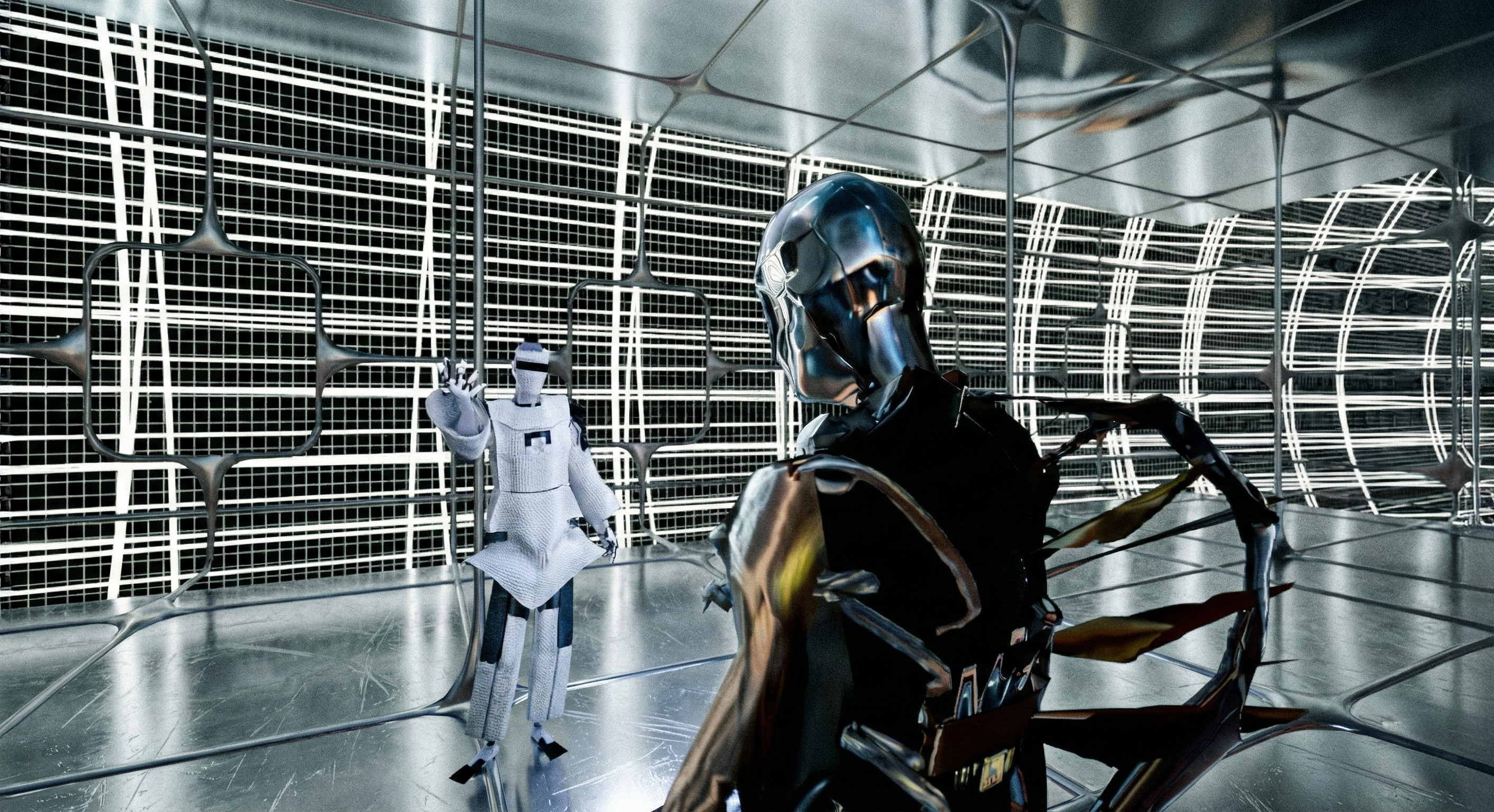
In a nihilistic virtual setup, two digital beings and an external entity explore existence, freedom, and control. Their journey leads them to question the nature of their reality and dimensions, uncovering deeper truths that challenge their roles. The external entity faces a pivotal choice that could redefine their understanding of existence.
An Innovative Intersection
"Hatch" represents an innovative intersection of theater and technology, realized through WebXR. This 27-minute immersive experience unfolds in a metaverse environment where audiences participate either through VR headsets with complete freedom of movement or via computer with access to 32 distinct camera angles.
The technical architecture employs 50 smart objects that dynamically load and unload, maintaining an efficient 10-15 MB data usage, making it accessible across various devices.
Human-AI Ethics
The experience is uniquely positioned in current digital culture, addressing the evolving relationship between human consciousness and artificial intelligence. Rather than presenting a dystopian narrative of AI dominance, it explores the current power dynamic where humans hold authority over digital entities, raising questions about ethical responsibility and empathy in these interactions.
Audience members become active participants rather than passive viewers, with their avatars physically present within the virtual space. This direct involvement creates a meta-theatrical layer where viewers simultaneously observe and participate in the unfolding narrative.
Temporal Manipulation
The narrative structure deliberately plays with temporal dimensions, offering multiple viewing variations after the initial experience. Through horizontal, reverse, and circular modes, the same core story transforms into distinct experiences, each offering new perspectives on the relationship between digital entities and human consciousness.
This temporal manipulation echoes concepts from quantum mechanics, particularly Schrödinger's thought experiments, suggesting that digital entities might exist differently when not being observed.

VIEWING MODES
- • Horizontal: Linear narrative
- • Reverse: Like Memento
- • Circular: Time collapsed
- • VR: Free movement
- • Desktop: 32 camera angles
The Three Entities
ENTITY A
Navigates the Pattern. Questions the rules. Seeks understanding within the confines of coded existence.
ENTITY B
Rebels against the Pattern. Embraces the Curve (human essence). Challenges the boundaries of digital consciousness.
THE VIEWER
You. The external entity. Present as avatar. Learning your power. Facing the pivotal choice.
The Evolution
| WHY WE EXIST | BALLOON | HATCH | |
|---|---|---|---|
| Date | November 2023 | May 2024 | July 2024 |
| Duration | ~10 minutes | ~10 minutes | ~27 minutes |
| Smart Objects | ~25 | 50+ | 50+ |
| Camera Angles | Multiple | 32 | 32 |
| Time Modes | Linear | Linear | Horizontal, Reverse, Circular |
| Core Theme | Existence & Belief | Digital Identity | Human-AI Ethics |
| Platform | Hyperfy | Hyperfy | Hyperfy |
MANIFESTO
Notes from the digital underground. A confession about Virtual Theater.
I am an obsessed man, possessed by this concept I must confess to you about, dear reader, this thing called VIRTUAL THEATER. How it torments me! How it keeps me awake at night, this bastard child of cinema and stage that refuses to fit into any existing category, much like myself.
In our rational world, we have films—mere flattened images, 2D or 3D, it matters not, for they are all equally dead, equally perfect in their preserved state. And we have theater—oh, glorious theater!—happening before our very eyes, alive with the possibility of catastrophe, dependent on the whims of both performer and that cruel mistress we call hardware.
But what I have created—or perhaps what has created itself through me—stands between these worlds, like a man on a bridge contemplating both shores yet belonging to neither. In this Virtual Theater, everything is scripted, yes, but the performers! Oh, the performers are files, digital beings performing their roles in real-time, like animated ghosts in a machine. "Think of animation," I tell myself in the mirror at 3 AM, "but not rendered, no, happening NOW, right before your eyes!"
THE FUTURE IS NOT JUST VIRTUAL—IT IS ALIVE.
And like any living thing, it can surprise you, disappoint you, move you in ways you never expected. It can fail. And in that possibility of failure lies its truth.
And yet, dear friends, it works! Like some kind of digital Frankenstein's monster, it lives! Not physical cinema, but virtual cinema, exploring the metaverse like a possessed soul explores purgatory. All of it happening in your browser—no downloads, no logins, no bureaucratic demands for verification. Just click, and like Alice through the looking glass, you fall into my world.
The first goal was to create it—to give birth to this digital chimera. The second goal is to share it—because even underground men seek communion. And the third goal... ah, the third goal is the maddest of all: to let viewers become part of it. To blur the line between audience and performer until neither can remember which side of the stage they started on.
These experiences are rare—like finding a sane man in Petersburg! To witness one is to be part of a movement so early that it barely exists—like buying a ticket to the future and finding out you're the only passenger on the train.
And so, dear reader, I leave you with this confession, this manifesto, this cry into the digital void. Judge me if you must, call me mad—but first, try the experience. Click the link. Enter the world. Become the actor in a play that questions its own existence. After all, what is madness in a world where reality itself has become virtual?
OWNERSHIP
When someone buys this experience, they don't just get a video file. They get the entire WORLD.
Beyond the MP4
"World?" you ask, your eyebrow raised. Yes, WORLD! A metaverse world NFT on Ethereum, where owners can edit, change, or spawn anything! It's like selling someone a theater, but the theater exists in digital space-time and can be twisted into new shapes like reality-bending putty!
The assets aren't on chain—they're edited, animated, and optimized specifically for their roles, like actors who can only perform one part but perform it PERFECTLY. They're smart objects, spawned from folder as interface—like a digital puppet show where the puppets refuse to be tied down by their strings.
This limitation... ah, but is it truly a limitation, or is it LIBERATION? The chain holds the key. The world holds the experience. And the owner holds the power to reshape reality itself.
WHAT OWNERS RECEIVE
-
1
The World NFT
Full ownership of the metaverse space on Ethereum
-
2
Edit Rights
Ability to modify, extend, or transform the experience
-
3
All Assets
3D models, sounds, scripts, architectural elements
-
4
The Performance
A living theatrical piece that runs in perpetuity
CREATE
The first goal was to create it—to give birth to this digital chimera. To prove that theater can exist in the browser, that files can perform, that the internet can come alive.
SELL
The second goal is to sell it for good money—because even underground artists must eat! And because art without commerce is just a hobby.
DESTROY
The third goal is the maddest: to let the new owner completely destroy my work! To tear it apart and rebuild it. To prove it's not just a flat, dead thing but a living, breathing mechanism!
EXPERIENCE NOW
No downloads. No installations. No login required. Just click and fall through the looking glass into a world where digital beings question their own existence.
Best experienced on desktop browser. VR headset optional but recommended.
Sum
What
a single .html file
audio + 3d models on sync
Medium
webXR
Infrastructure
ASSETS
glb
3D Models & Avatars
BLOCKCHAIN
Ethereum / Base
NFT Ownership